
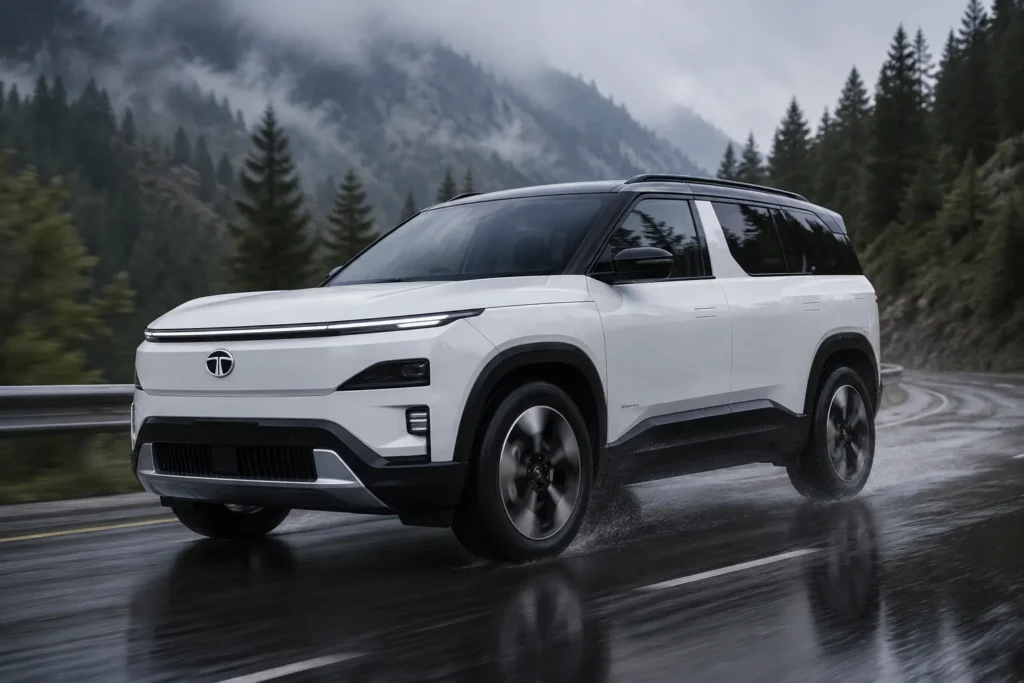
The highly anticipated Tata Sierra EV price is expected to launch with an aggressive introductory baseline of Rs 18.00 lakh, scaling up to Rs 25.00 lakh (ex-showroom) for the high-end, dual-motor all-wheel-drive (AWD) flagship edition. This landmark product marks the return of an absolute icon in the Indian automotive narrative, completely reimagined as a premium, zero-emission lifestyle SUV. Positioned strategically above the Curvv EV and just beneath the flagship Harrier EV, the production-ready Sierra EV utilizes a clean retro-modern silhouette engineered to capture both intense nostalgic appeal and tech-forward buyer interest.
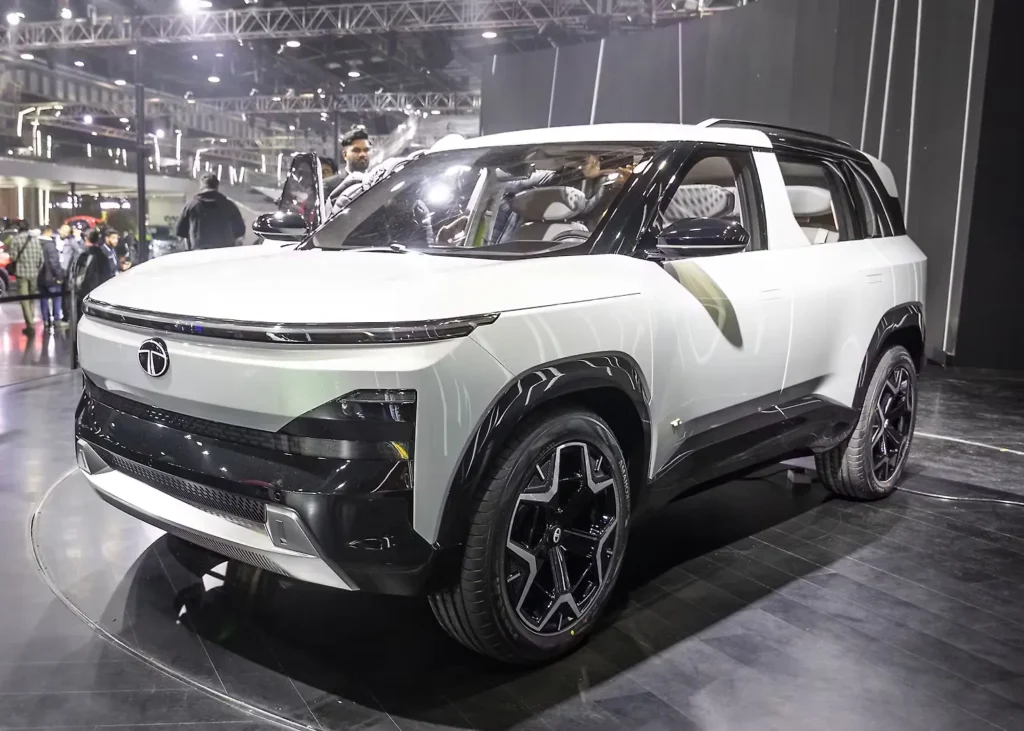
Key Highlights
- Strategic Pricing Position: Poised to enter the premium midsize segment with an accessible baseline starting from Rs 18.00 lakh (ex-showroom).
- Advanced Global Architecture: Constructed on Tata’s cutting-edge ARGOS modular platform, which is also set to underpin next-generation global Jeep SUVs.
- Massive Long-Range Potential: Offers an expansive 75 kWh high-density battery configuration capable of exceeding 500 kilometers of real-world driving.
- All-Weather Traction: Flagship variants introduce a high-performance dual-motor All-Wheel-Drive (AWD) electronic powertrain matrix.
- Revolutionary Cabin Lounge: Top-tier trims offer a specialized four-seater luxury configuration featuring an ultra-premium rear lounge seating layout.
What Happened? The Legend Return as a Software-Defined EV
Tata Motors has officially accelerated its launch timelines for the production version of the Sierra EV. Far more than just a regular cosmetic modification of an existing internal combustion engine vehicle, this model represents a massive structural step forward for the brand. The development path leverages the sophisticated, highly flexible ARGOS architecture (derived from the acti.ev platform matrix). This engineering platform has received major validation, with global auto giant Stellantis confirming it will license the same structural underpinnings to build its next-generation Jeep utility models in India for export markets.
Manufacturing blocks are currently ramping up assembly speeds at the modernized manufacturing plants in Pune. By building deep local supply lines for heavy electrical components—including localized cell packaging and battery management sensors—Tata is aiming to dominate the premium midsize EV segment before global brands introduce their heavily taxed import platforms.
Detailed Platform Analysis: The ARGOS Architecture and AWD Edge
Operating a lifestyle-oriented electric SUV across demanding Indian highway conditions requires a robust structural framework. The ARGOS platform is engineered to optimize floor packaging, safety performance, and weight distribution.
The Power of a Dedicated Gen 2 EV Floor
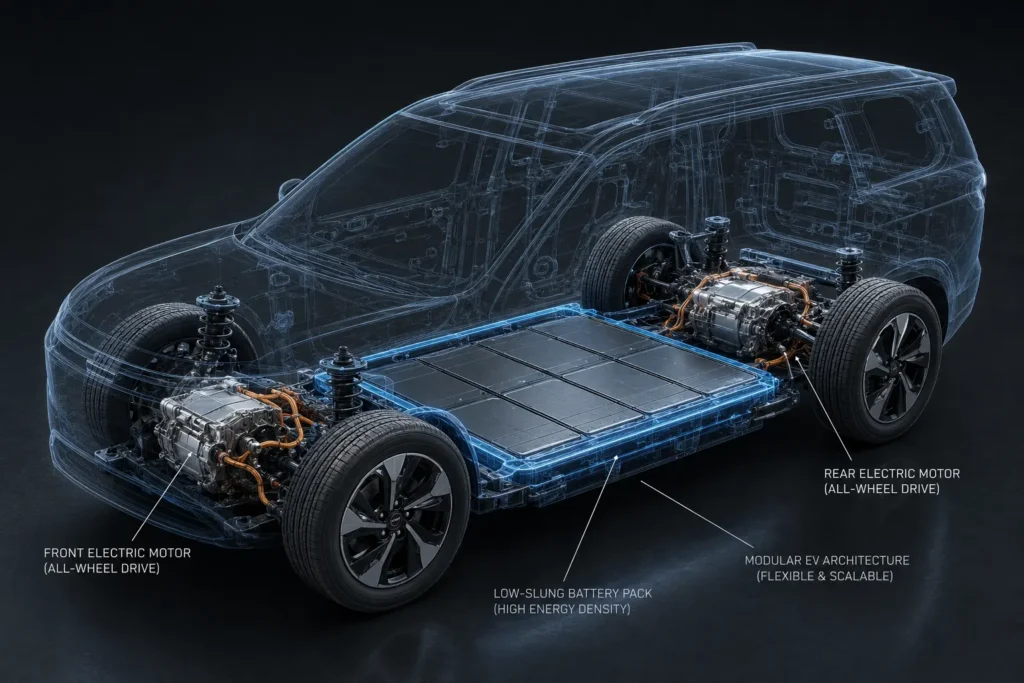
Unlike early low-voltage conversions that forced battery packs into the traditional transmission tunnels of petrol cars, the ARGOS framework uses an ultra-flat, skateboard-style floor design. The liquid-cooled battery packs are mounted low down between the front and rear axles, significantly lowering the vehicle’s center of gravity. This arrangement enhances high-speed stability through sharp corners while maximizing cabin space for adult passengers.
High-Performance Dual-Motor AWD System
For true off-road enthusiasts looking to recapture the adventurous spirit of the original 1990s turbodiesel Sierra, the EV avatar introduces an active dual-motor electronic all-wheel-drive system.
- Front Axle Motor: A high-efficiency motor calibrated to manage smooth daily urban traffic runs.
- Rear Axle Motor: Instantly engages when the onboard computers detect loose gravel, mud, or traction loss, distributing immediate torque splits within milliseconds to ensure uninterrupted forward progress.
Specifications and Engineering Details
| Engineering Parameter | Medium Range (MR) Spec Matrix | Long Range (LR) AWD Spec Matrix |
| Battery Pack Capacity | 65 kWh High-Density Lithium-Ion | 75 kWh Liquid-Chilled Pack Module |
| Powertrain Motor Layout | Single Permanent Magnet Motor (RWD) | Dual Motor Electronic All-Wheel-Drive (AWD) |
| Claimed MIDC Range | 420 Kilometers on a Full Charge | 520 Kilometers on a Full Charge |
| Real-World Highway Range | ~340 Kilometers | ~440 Kilometers (With continuous AC loads) |
| Estimated Peak Power | ~170 PS | ~220 PS combined output |
| Estimated Peak Torque | 250 Nm | 350 Nm available instantly |
| DC Fast Charging Speed | 10% to 80% in 40 mins via 50kW gun | 10% to 80% in 35 mins via 100kW DC fast line |
| Ground Clearance Metric | 190 mm (Optimized for deep ruts) | 190 mm (With reinforced underbody skid plates) |
Detailed Variant Breakdown: Reimagining Cabin Luxury
To target a diverse group of buyers, Tata will distribute the Sierra EV across two primary battery configurations and distinct interior luxury layouts.
1. The Practical Daily Driver: Medium Range (MR) Trims
This configuration balances essential family daily transport needs with a highly practical purchase price. It provides plenty of performance for standard highway runs while cutting out complex off-road components.
- Key Visual Cues: Equips stylish 18-inch aerodynamic alloy wheels, a clean dual-tone dashboard, and a highly practical five-seater bench seating layout with 60:40 split flexibility.
- Target Audience: Perfect for urban business professionals looking for a spacious electric vehicle for daily workplace commutes and occasional weekend highway trips.
2. The Premium Distance Cruiser: Long Range (LR) Trims
Engineered specifically for long-distance driving, this trim pairs the larger 75 kWh battery module with a comprehensive suite of convenience features.
- Key Features Added: Features an expansive dual-pane panoramic glass sunroof, an advanced Level 2 ADAS safety suite, vehicle-to-load (V2L) power discharge outlets, and a high-fidelity 9-speaker JBL premium acoustic surround sound system.
3. The Flagship Masterpiece: “Lounge” Edition
The absolute focal point of the Sierra’s return. This specialized package swaps out the standard rear bench seat for an ultra-luxurious twin-captain chair arrangement.
- Key Luxury Deliverables: Installs fully powered, heated, and ventilated rear seats featuring extendable calf-support ottomans, an integrated rear center console with individual climate controls, premium ambient mood lighting, and an expansive triple-screen digital dashboard display console up front.
- Target Audience: Aimed directly at chauffeur-driven corporate executives and luxury car connoisseurs looking for a first-class travel experience within an eco-friendly footprint.
[IMAGE: Close-up look at the luxury four-seater Lounge Edition cabin highlighting the powered rear captain chairs with extendable leg rests — Tata Sierra EV lounge version]
Expected Pricing and Variant Matrix
The introductory price points are calculated to disrupt established internal combustion midsize SUVs while offering significantly more cabin space than entry-level premium electric crossovers.
| Variant Trim and Battery Package | Drivetrain Configuration | Expected Ex-Showroom Price (INR) |
| Sierra EV Smart (Medium Range) | 65 kWh Battery / Single Motor RWD | Rs 18.00 Lakh |
| Sierra EV Empowered (Long Range) | 75 kWh Battery / Single Motor RWD | Rs 21.50 Lakh |
| Sierra EV Luxury (Long Range AWD) | 75 kWh Battery / Dual Motor AWD | Rs 23.50 Lakh |
| Sierra EV Lounge Edition (Flagship) | 75 kWh Battery / Dual Motor AWD | Rs 25.00 Lakh |
The competitive entry price of Rs 18.00 lakh is highly strategic. It places the Sierra EV within striking distance of mid-spec petrol and diesel midsize SUVs, making the switch to electric mobility an easy financial decision for buyers looking for long-term fuel savings.
Competition Analysis: Tata Sierra EV vs. Hyundai Creta EV vs. BYD Atto 3
The midsize electric vehicle space is quickly heating up with major entries from leading manufacturers.
Tata Sierra EV vs. Hyundai Creta EV
The upcoming Hyundai Creta EV is built on a modified version of the standard internal combustion Creta platform. While it delivers excellent daily usability and familiar switchgear ergonomics, it lacks the unique character of a vehicle built from the ground up as an EV.
The Tata Sierra EV gains an immediate advantage with its dedicated ARGOS skateboard architecture. This allows for a much longer wheelbase, a completely flat floor, and a highly distinct retro lifestyle design that easily stands out against the conventional crossover shape of the Creta.
Tata Sierra EV vs. BYD Atto 3
The BYD Atto 3 (priced from Rs 24.99 lakh, ex-showroom) brings impressive blade battery technology and a uniquely styled interior cabin layout to the segment. However, the Atto 3 remains limited by its front-wheel-drive setup, which restricts its capabilities on rugged trails.
The Sierra EV counters effectively by offering a sophisticated dual-motor AWD system at a lower price point. Additionally, Tata’s extensive pan-India service network provides long-term peace of mind that premium imported alternatives simply cannot match.
Real-World Usability: Charging Times and Grid Flexibility
A major highlights of the ARGOS platform is its advanced high-voltage thermal architecture, which allows it to handle high-power public charging networks with ease.
Bidirectional Charging Capabilities
The Sierra EV isn’t just power consumer; it can also function as a mobile energy storage hub. Equipped with advanced bidirectional charging electronics, the SUV features both Vehicle-to-Load (V2L) and Vehicle-to-Vehicle (V2V) capabilities.
Using a dedicated power adapter plug, owners can pull electricity directly from the car’s battery to run high-power electrical appliances like camping grills, laptops, or power tools during weekend outdoor excursions. The system can even deliver an emergency charge to a stranded friend’s EV, providing incredible versatility on the go.
[IMAGE: Lifestyle shot showing the Sierra EV powering an outdoor camping setup via its rear V2L power outlet port — Tata Sierra EV V2L charging]
Frequently Asked Questions (FAQs)
What is the expected starting price of the new Tata Sierra EV?
The new Tata Sierra EV price is anticipated to start from a highly competitive introductory baseline of Rs 18.00 lakh for the entry-spec Medium Range trim, moving up to Rs 25.00 lakh (ex-showroom) for the top-tier, dual-motor AWD variant featuring the luxury Lounge Edition passenger cabin.
What is the battery pack size and driving range of the Tata Sierra EV?
The midsize lifestyle SUV will be offered with two distinct battery options. The Medium Range version features a 65 kWh battery pack returning a claimed MIDC range of 420 kilometers, while the premium Long Range configuration features a larger 75 kWh battery pack that delivers a claimed range of 520 kilometers on a single charge.
Will the Tata Sierra EV get a 4×4 or all-wheel-drive (AWD) option?
Yes, absolutely. High-spec versions of the Long Range Sierra EV come equipped with a sophisticated dual-motor electronic all-wheel-drive (AWD) system. This setup monitors wheel slip in real time and sends instant torque to both axles, ensuring excellent traction over mud, gravel, and challenging off-road trails.
What are the primary design features retained from the classic Tata Sierra?
The production-spec model pays direct tribute to the legendary 1990s icon by retaining the signature large rear alpine glasshouse wrapper look, a distinct high-set straight hood line, massive wheel arches, and a clean, minimalist upright tailgate profile.
What is the difference between the Tata Sierra EV and the Harrier EV?
While both models offer premium electric drivetrains and long-range capabilities, the Sierra EV focuses on a distinct lifestyle and retro-heritage design theme with a unique four-seater luxury lounge seating layout. The Harrier EV sits slightly higher in the lineup, featuring a wider track, a larger overall footprint, and a sportier, more aggressive design language.
When will the official bookings and deliveries for the Sierra EV begin?
Official order books are scheduled to open across authorized Tata passenger EV dealerships later this month for a token booking amount of Rs 21,000. Customer deliveries for the single-motor Medium Range versions are set to begin shortly after, followed by the dual-motor AWD and Lounge Edition variants.
Key Takeaways
- Heritage Meets Electric Innovation: Melds an iconic, deeply loved automotive nameplate with Tata’s next-generation ARGOS skateboard EV platform.
- Versatile Range Options: Offers two distinct battery capacities (65 kWh and 75 kWh) to meet varying driver needs and budgets, delivering over 440 kilometers of real-world highway range.
- Premium Cabin Upgrades: Resolves past feature criticisms with a state-of-the-art triple-screen dashboard layout and an available Level 2 ADAS safety suite.
- Executive Lounge Luxury: The flagship Lounge Edition introduces unmatched rear-seat luxury to the mass-market EV space with fully adjustable powered captain chairs.
- Adventure-Ready Foundation: The dual-motor AWD option provides real off-road capability, making it a true lifestyle SUV that easily handles weekend getaways.
Final Verdict
The upcoming Tata Sierra EV is far more than just a nostalgic trip down memory lane; it is a highly advanced, beautifully engineered product that sets a new benchmark for the Indian electric vehicle market. By utilizing a dedicated skateboard platform layout rather than a compromised internal combustion engine conversion, Tata has created an incredibly spacious lifestyle SUV that delivers immense practical value alongside its rich emotional heritage. Whether you are an executive looking for a comfortable, chauffeur-driven daily commuter with the luxurious Lounge Edition layout, or an outdoor enthusiast who needs the all-weather confidence of the dual-motor AWD setup, the Sierra EV checks every single box with ease. If you want a standout midsize SUV that offers over 400 kilometers of real-world driving range, cutting-edge technology, and a design that turns heads wherever it goes, placing a booking on the upcoming Tata Sierra EV is a highly rewarding choice.
Read This Also:
Tata Punch Facelift 2026: Technical Analysis, New GST Impact, and Complete Ownership Guide