
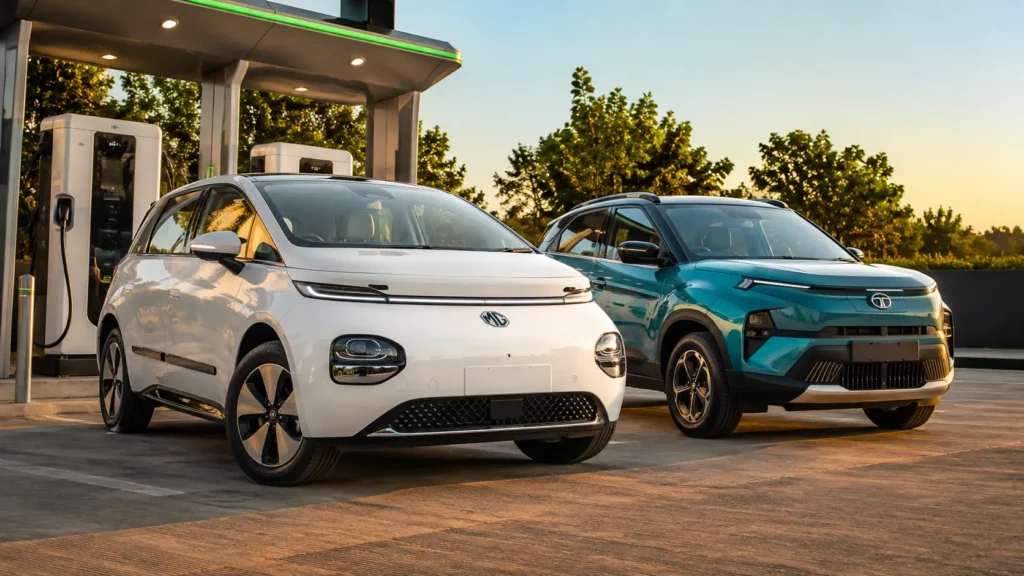
The best electric cars under 15 lakhs in India in 2026 include the MG Windsor EV, Tata Punch EV, Tata Tiago EV, and the entry-level MX2 Pro EV variant of the Mahindra XUV 3XO EV. These vehicles offer certified ranges between 230 km and 421 km, translating to dependable real-world urban ranges of 150 km to 280 km.
Indian car buyers face a clear financial choice. Rising fuel costs make traditional petrol hatchbacks expensive for daily city commuting. Thankfully, the electric vehicle market has matured rapidly over the last twelve months. You no longer need to spend premium money to own a practical, spacious, and fast-charging family vehicle.
Choosing the right model requires looking past shiny showroom brochures. Official driving range claims often drop significantly when exposed to summer air conditioning and highway speeds. This guide breaks down the best electric cars under 15 lakhs in india using real test data. We analyze actual ranges, pricing structures, battery rental options, and charging times.
Key Highlights
- Five mainstream electric options now fit comfortably within the sub-₹15 Lakh budget boundary.
- Real-world driving range averages 30 to 35 percent lower than official MIDC laboratory test claims.
- The Battery-as-a-Service model lowers original purchase costs but introduces mandatory monthly running fees.
- Lithium Iron Phosphate battery packs dominate this price segment due to superior thermal stability in summer.
- Standard home wallbox setups require roughly 3.5 to 7.5 hours for full charging cycles.
- Modern entry-level variants now include essential safety tech like electronic stability control and six airbags.
Why the sub-15 Lakh EV segment matters in India right now
Mass-market passenger cars keep the Indian automotive sector moving. Buyers in this specific price bracket are exceptionally sensitive to operating economics. Spending over one hundred rupees per liter for petrol directly impacts middle-class monthly budgets. Electric mobility provides an immediate relief mechanism for drivers covering more than forty kilometers daily.
Manufacturer strategies shifted completely over the last year. Instead of converting old petrol platforms, engineering teams utilize dedicated born-electric architectures. This engineering choice pushes the wheels out to the corners. It eliminates the transmission tunnel hump entirely. Buyers get mid-size cabin space inside vehicles that have small, city-friendly outer dimensions.
The expansion of regional highway charging infrastructure also changes consumer behavior. You can find fast-charging stations along major intercity routes every forty kilometers. This network relieves range anxiety for weekend road trips. Budget vehicles are no longer confined to tight city boundaries. They function reliably as primary family vehicles.
Top picks — detailed analysis with specs, pros, and cons for each
Evaluating budget electric cars in india 2026 requires looking at individual mechanical strengths. We analyzed the top choices to find where they succeed and where they fall short.
1. MG Windsor EV (The Spacious Crossover Contender)
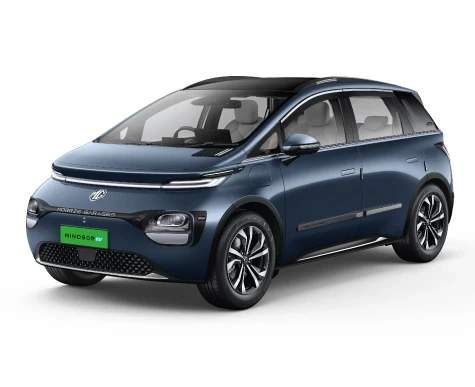
The MG Windsor EV changes how people buy vehicles by using a unique Battery-as-a-Service sales framework. You purchase the car shell at a lower price point. Then you rent the battery by paying a fixed fee for every kilometer driven.
┌─────────────────────────────────────────────────────────┐
│                    MG WINDSOR EV                        │
├────────────────────────────┬────────────────────────────┤
│ Battery: 38 kWh LFP        │ Claimed Range: 331 km      │
├────────────────────────────┼────────────────────────────┤
│ Real City: 240 km          │ Real Highway: 180 km       │
└────────────────────────────┴────────────────────────────┘
The cabin space matches vehicles from two segments above. Rear passengers enjoy an incredible amount of legroom. The seats tilt backward up to 135 degrees for excellent comfort. The large 15.6-inch central infotainment screen controls nearly every secondary function inside the cabin.
The vehicle drives smoothly through tight urban traffic lanes. The front electric motor generates 136 horsepower and 200 Newton-meters of torque. This power output ensures quick overtaking maneuvers. However, the complete lack of physical buttons for the climate control system requires getting used to during regular driving.
- Pros: Massive cabin space, premium interior layout, unique low initial purchase price strategy.
- Cons: No physical buttons for AC controls, highway range drops quickly at speeds above 90 km/h.
2. Tata Punch EV (The Compact SUV Benchmark)
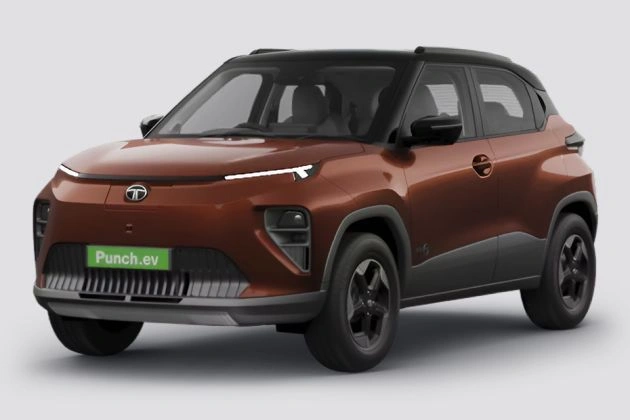
The Tata Punch EV utilizes the advanced acti.ev platform to dominate the sales charts. It offers buyers an upright, high SUV seating position. The clear view over the front hood builds quick confidence through busy intersections.
┌─────────────────────────────────────────────────────────┐
│                    TATA PUNCH EV                        │
├────────────────────────────┬────────────────────────────┤
│ Battery: 25 / 35 kWh LFP   │ Claimed Range: 315 / 421 km│
├────────────────────────────┼────────────────────────────┤
│ Real City: 200 / 270 km    │ Real Highway: 150 / 210 km │
└─────────────────────────────────────────────────────────┘
The model comes with two distinct battery configurations. The smaller 25 kilowatt-hour version serves urban commuters perfectly. Long-distance drivers should select the larger 35 kilowatt-hour option. The vehicle handles rough, broken monsoon roads better than its rivals due to a generous 190mm ground clearance.
The interior features dual crisp 10.25-inch digital screen displays. The software updates over the air to fix common system bugs. The front seats also incorporate ventilation functions to combat hot summer weather. The regenerative braking system features paddle shifters for quick, on-the-fly strength adjustments.
- Pros: High ground clearance, strong safety structure, excellent feature list on high trims.
- Cons: Occasional infotainment software glitches, charging port door lock sometimes gets stuck.
3. Tata Tiago EV (The Accessible Urban Hatchback)
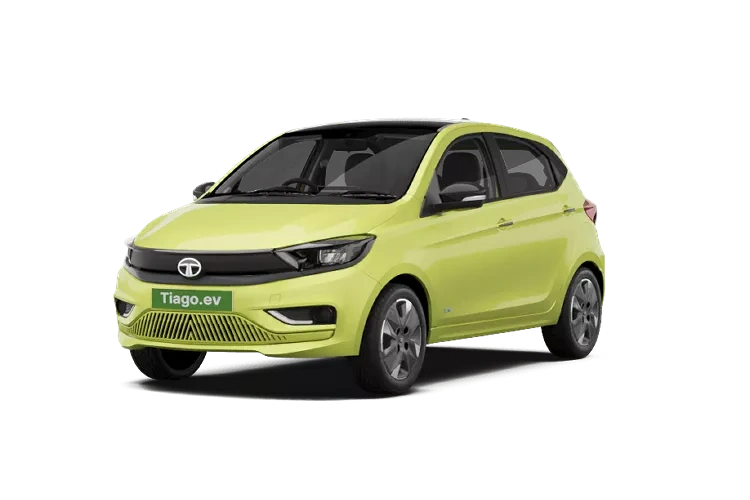
The Tata Tiago EV remains a reliable choice for budget-focused electric buyers. It features a conventional hatchback shape that slides effortlessly into tight city parallel parking spaces.
┌─────────────────────────────────────────────────────────┐
│                    TATA TIAGO EV                        │
├────────────────────────────┬────────────────────────────┤
│ Battery: 19.2 / 24 kWh LFP │ Claimed Range: 250 / 315 km│
├────────────────────────────┼────────────────────────────┤
│ Real City: 140 / 200 km    │ Real Highway: 110 / 150 km │
└─────────────────────────────────────────────────────────┘
The car comes with clear split options. The entry version features a 19.2 kilowatt-hour battery pack. The long-range version upgrades to a 24 kilowatt-hour capacity. The suspension setup filters out sharp road ruts smoothly at typical city speeds.
The cabin layout values functional simplicity over high-tech showmanship. You get physical buttons to adjust the climate controls while keeping your eyes on the road. The digital instrument cluster displays energy consumption data clearly. The motor makes 75 horsepower in the larger battery version, which feels lively from a dead stop.
- Pros: Very easy to park, highly affordable pricing, simple and logical dashboard controls.
- Cons: Restricted rear seat legroom, slow 3.3 kW standard home charging speed.
4. MG Comet EV (The Ultra-Compact City Runabout)
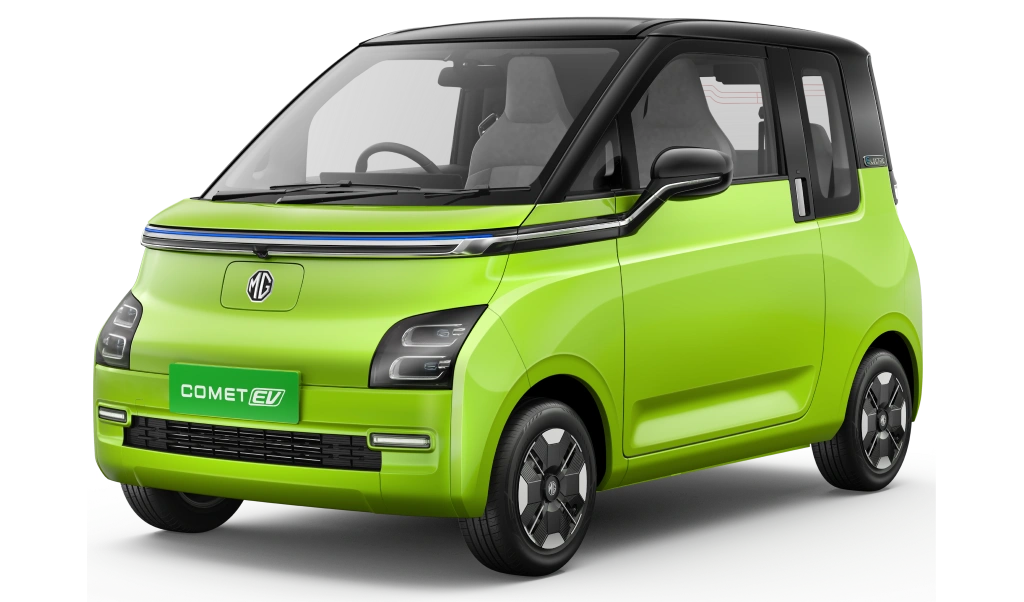
The MG Comet EV challenges standard car designs with its unique two-door body shape. It targets individuals who navigate dense urban traffic centers as part of their daily routine.
┌─────────────────────────────────────────────────────────┐
│                     MG COMET EV                         │
├────────────────────────────┬────────────────────────────┤
│ Battery: 17.3 kWh LFP      │ Claimed Range: 230 km      │
├────────────────────────────┼────────────────────────────┤
│ Real City: 160 km          │ Real Highway: 110 km       │
└─────────────────────────────────────────────────────────┘
The car measures just under three meters in total length. This tiny footprint allows you to make sharp U-turns in incredibly narrow lanes. The 17.3 kilowatt-hour battery provides a surprisingly long range inside city limits because the body weight is minimal.
The interior feels bright and modern despite the tiny external footprint. Dual 10.25-inch screens handle navigation and entertainment duties smoothly. The rear seats fold down individually to expand the cargo area when you need to carry groceries or small luggage bags.
- Pros: Unmatched agility in heavy traffic, excellent energy efficiency, premium interior feel.
- Cons: No front trunk storage, small wheels ride roughly over deep potholes, two-door access is awkward.
5. Mahindra XUV 3XO EV – MX2 Pro Variant (The Performance Disruptor)
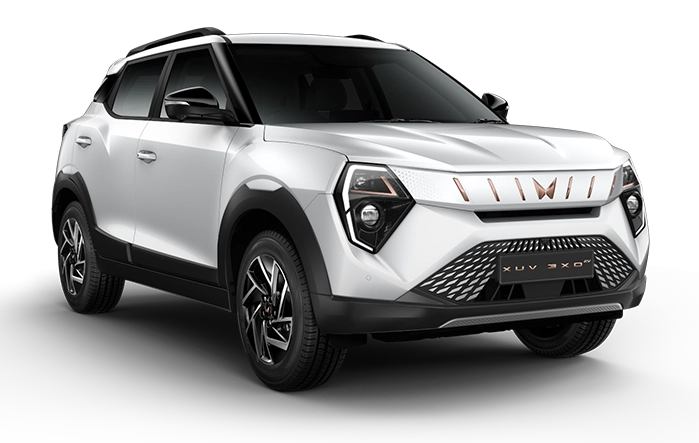
Mahindra introduced the entry-level MX2 Pro trim of the XUV 3XO EV to challenge the sub-15 Lakh segment directly. It uses a modified version of the heavy-duty platform found on larger vehicles.
┌─────────────────────────────────────────────────────────┐
│                 MAHINDRA XUV 3XO EV                     │
├────────────────────────────┬────────────────────────────┤
│ Battery: 34.5 kWh LFP      │ Claimed Range: 375 km      │
├────────────────────────────┼────────────────────────────┤
│ Real City: 250 km          │ Real Highway: 190 km       │
└─────────────────────────────────────────────────────────┘
The vehicle stands out by delivering strong mechanical performance numbers. The electric motor pumps out 150 horsepower along with 250 Newton-meters of instant torque. It accelerates past slow highway traffic faster than any other vehicle in this specific price range.
The entry-level cabin misses out on electronic luxuries like large touchscreen panels or leather seats. However, it preserves the vital mechanical safety components. You still get disc brakes on all four wheels. The cabin shell feels solid and handles high highway speeds with great stability.
- Pros: Class-leading motor performance, excellent high-speed stability, spacious cabin width.
- Cons: Basic interior feature list on entry trim, smaller luggage boot capacity than rivals.
Full comparison table
This data matrix clarifies the specification differences among the options. All prices represent standard ex-showroom estimates across major Indian metropolitan centers.
| Model Name | Battery Size (kWh) | Claimed Range (km) | Real-World City Range (km) | Real Highway Range (km) | Base Price (INR Ex-Showroom) |
| MG Windsor EV | 38.0 | 331 | 240 | 180 | ₹9.99 Lakh (Plus BaaS) |
| Tata Punch EV (LR) | 35.0 | 421 | 270 | 210 | ₹13.29 Lakh |
| Tata Tiago EV (LR) | 24.0 | 315 | 200 | 150 | ₹10.29 Lakh |
| MG Comet EV | 17.3 | 230 | 160 | 110 | ₹6.99 Lakh |
| Mahindra XUV 3XO EV | 34.5 | 375 | 250 | 190 | ₹14.49 Lakh |
How to choose — decision framework by buyer profile
Finding the right model depends on matching vehicle strengths to your regular driving patterns. Avoid buying extra battery capacity if your usage stays within local city limits.
The Pure Urban Commuter
Select the MG Comet EV if your monthly driving happens entirely inside dense city centers. The short length saves time during daily parking spot hunts. The tiny motor uses very little electricity. This efficiency keeps your home power bills minimal while delivering a practical 160 kilometers of actual city range.
The Weekend Highway Traveler
Choose the Mahindra XUV 3XO EV or the Long Range Tata Punch EV if you visit hometown locations on weekends. The larger battery capacities provide a safe cushion between fast-charging stations. Their advanced cooling systems maintain battery health during extended highway runs in high temperatures.
The Growing Single Family
The MG Windsor EV fits the needs of a single family looking for maximum cabin space. The flat floor plan provides comfortable seating for three adults across the rear bench. The premium seat cushion padding reduces fatigue during long rush-hour traffic jams.
Running cost and ownership analysis
The financial argument for choosing an electric vehicle centers on low operational costs per kilometer. We analyzed the math using standard home utility power rates in India.
Petrol Running Cost:  Approx. ₹6.50 to ₹8.00 per km
Electric Running Cost: Approx. ₹1.00 to ₹1.25 per km
Charging a 30 kilowatt-hour battery pack completely requires 33 units of electricity, accounting for minor efficiency losses. At an average domestic billing rate of ₹8 per unit, a full charge costs ₹264. If the car delivers an actual driving range of 220 kilometers, the operating cost tracks at just ₹1.20 per kilometer.
Scheduled periodic service visits cost less because electric cars do not use engine oil or air filters. Mechanics focus on inspecting the coolant lines and brake pad wear labels. Expect to pay roughly ₹2,500 for annual maintenance checkups.
Insurance coverages cost slightly more for electric vehicles because battery replacements involve high material expenses. Budget roughly ₹35,000 annually for comprehensive insurance policies that include zero-depreciation add-on riders.
Frequently asked questions
Which is the best electric car under 15 lakhs in India?
The MG Windsor EV represents the best overall package for buyers seeking maximum passenger space and comfort. Drivers who prioritize a high seating position and rough-road capability should choose the Tata Punch EV. The Mahindra XUV 3XO EV stands out as the top pick for those prioritizing highway performance and high-speed driving dynamics.
What is the real-world range of the Tata Punch EV?
The Long Range version of the Tata Punch EV delivers an actual range of 270 kilometers during routine urban driving conditions with continuous air conditioning. When driving on open highways at sustained speeds around 90 km/h, the range drops to approximately 210 kilometers. The Medium Range variant achieves roughly 200 kilometers in cities and 150 kilometers on highways.
How does the MG Windsor EV battery rental scheme work?
The Battery-as-a-Service model splits the vehicle cost from the lithium battery pack. You pay a lower initial price to buy the car shell from the showroom. After delivery, you pay a vehicle battery rental fee of ₹3.50 for every kilometer driven. This usage is tracked via an onboard digital telematics module and billed monthly.
Can I use a regular 15A socket to charge an electric car at home?
Yes, every budget electric car includes a portable charging cable that plugs into a standard 15-ampere home wall socket. This charging method acts as a slow top-up solution. It takes roughly 10 to 14 hours to charge a mid-size battery pack from a 10 percent safety level up to a full 100 percent state.
What is the monthly maintenance cost of a budget electric car?
The routine mechanical maintenance cost is extremely low, averaging around ₹250 per month. Electric cars eliminate the need for expensive oil changes, spark plugs, timing belts, and fuel filter replacements. Owners generally only pay for cabin air filter cleanings, wheel balancing adjustments, and minor fluid top-ups during scheduled service intervals.
Is it safe to drive budget electric cars through flooded Indian roads?
Yes, budget electric car battery packs carry an official IP67 safety rating for water and dust resistance. This industrial certification confirms the battery housing can remain submerged under one meter of water for thirty minutes without leaking. The car electrical systems shut down automatically if sensor modules detect an electrical short circuit.
Key Takeaways
- Real-world driving ranges are lower than official laboratory figures, so plan your trips around actual test data.
- The MG Windsor EV offers the largest passenger cabin space in this segment by utilizing a battery rental model.
- High ground clearance makes the Tata Punch EV highly practical for managing broken monsoon roads.
- The entry-level Mahindra XUV 3XO EV variant delivers the strongest highway power numbers in this price class.
- Home charging costs remain highly economical, averaging roughly ₹1.20 per kilometer driven.
- Battery-as-a-Service setups lower the upfront purchase price but create an ongoing monthly mileage expense.
Final verdict
The sub-15 Lakh electric vehicle market in India no longer requires buyers to accept major compromises. Modern options serve reliably as primary family cars. They deliver comfortable driving dynamics, solid build quality, and excellent city driving ranges.
Select the Tata Punch EV if you want a conventional buying process, high ground clearance, and a rich feature list. Choose the MG Windsor EV if you want maximum interior space and are comfortable with a monthly battery rental model. Visibly check your daily travel distance logs over the past three months before signing a final check. Use our real-world range metrics to select the battery size that matches your personal driving routine.
Also Read This:
Best Electric Pickup Trucks in India 2025: 7 बेहतरीन Upcoming EV Pickup Trucks की संपूर्ण जाणकारी