
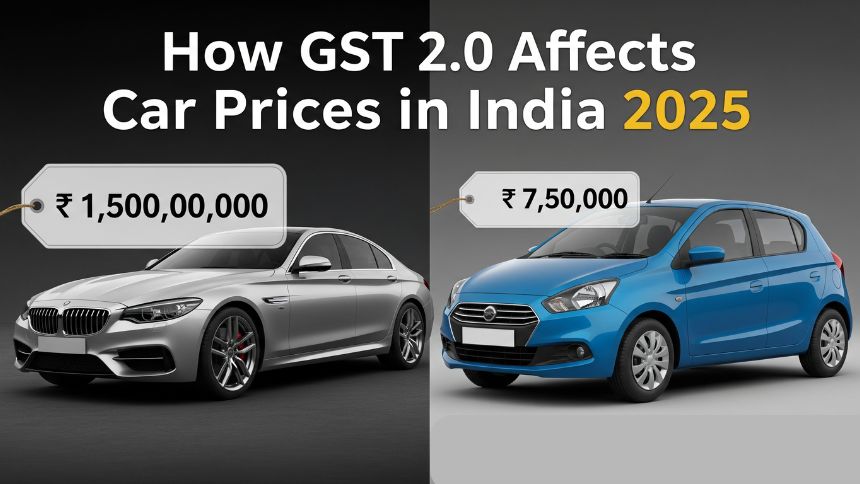
How GST 2.0 affects car prices in India 2025
क्या आप 2025 में एक नई car खरीदने की planning कर रहे हैं? अगर हाँ, तो यह जानना आपके लिए बहुत ज़रूरी है कि how GST 2.0 affects car prices in India 2025. Government के नए GST 2.0 reforms automotive sector में एक बड़ा बदलाव ला सकते हैं। ये changes न सिर्फ manufacturing costs को प्रभावित करेंगे, बल्कि final prices पर भी इसका गहरा असर दिखेगा।
पिछले कुछ सालों में, भारतीय auto industry ने काफी उतार-चढ़ाव देखे हैं। BS6 emission norms से लेकर electric vehicles पर subsidies तक, हर policy का असर car prices पर पड़ा है। अब, GST 2.0 के आने से एक बार फिर से industry के सामने नई challenges और opportunities आ रही हैं। इस ब्लॉग में, हम इन सभी पहलुओं को detail में समझेंगे और जानेंगे कि कैसे यह नया tax regime आपके next car purchase को प्रभावित करेगा।

GST 2.0 क्या है और यह क्यों आ रहा है?
GST 2.0 कोई official term नहीं है, बल्कि यह एक तरह का informal label है जो GST Council द्वारा प्रस्तावित और implement किए जाने वाले major reforms को describe करने के लिए use किया जाता है। ये changes GST system को और भी ज़्यादा efficient, transparent और user-friendly बनाने के लिए लाए जा रहे हैं। इसका मुख्य उद्देश्य tax evasion को कम करना, Input Tax Credit (ITC) process को streamline करना और compliance burden को घटाना है। [Image: GST 2.0 concept illustration]
ये reforms सिर्फ technical नहीं हैं, बल्कि इनका सीधा असर consumers और businesses पर पड़ेगा। Car industry के लिए, इसका मतलब है एक नया tax structure जो vehicle prices को fundamentally reshape कर सकता है। Manufacturers को अपनी pricing strategies को फिर से evaluate करना होगा, और consumers को यह समझना होगा कि उनकी dream car पर कौन से नए taxes apply होंगे।
GST 1.0 vs GST 2.0: प्रमुख अंतर
GST 1.0 (जो 2017 में लागू हुआ था) ने भारत के complicated indirect tax structure को एक unified system में बदल दिया। इससे logistics और supply chain में काफी सुधार हुआ। लेकिन, कुछ कमियाँ भी थीं, जैसे inverted duty structure, ITC mismatch और certain goods पर high cess।
GST 2.0 का लक्ष्य इन कमियों को दूर करना है। यह नए tax slabs, ITC rules में बदलाव, और specific products पर cess को rationalize करने पर focus करता है। automotive sector के लिए, यह particularly significant है क्योंकि यहाँ कई tax slabs और cess (जैसे Compensation Cess) लागू होते हैं। how GST 2.0 affects car prices in India 2025 को समझने के लिए, हमें इन अंतरों को बारीकी से देखना होगा।
- ITC Rationalization: GST 2.0 में ITC rules को strict बनाया जा सकता है ताकि fraud को रोका जा सके।
- New Tax Slabs: कुछ categories के लिए tax slabs में बदलाव हो सकता है, जिससे कीमतों पर सीधा असर पड़ेगा।
- Cess Adjustments: High-end cars पर लगने वाले Compensation Cess में revisions हो सकते हैं।
- Digital Infrastructure: E-invoicing और data analytics का ज़्यादा इस्तेमाल होगा, जिससे transparency बढ़ेगी।
how GST 2.0 affects car prices in India 2025: 5 प्रमुख बदलाव
आइए अब उन specific ways के बारे में बात करते हैं कि how GST 2.0 affects car prices in India 2025. ये 5 major points आपके next car purchase decision को directly influence करेंगे।
1. Small Cars पर संभावित मूल्य वृद्धि
Currently, sub-4 meter cars (petrol engines up to 1200cc, diesel up to 1500cc) पर 28% GST के साथ एक specific cess लगता है। GST 2.0 में, इस segment पर cess में revision हो सकता है, जिससे इन affordable cars की कीमतें बढ़ सकती हैं। यह उन buyers के लिए एक चिंता का विषय होगा जो बजट-friendly options तलाश रहे हैं।
2. Luxury Cars पर कम हो सकती हैं कीमतें
GST 1.0 में, luxury cars पर GST के अलावा high Compensation Cess लगता है। GST 2.0 में इस cess structure को rationalise करने की बात हो रही है। अगर luxury vehicles पर cess कम होता है, तो उनकी prices में कमी आ सकती है। इससे luxury car market में competitive prices देखने को मिल सकती हैं।
3. हाइब्रिड और इलेक्ट्रिक कारों के बीच का अंतर
अभी तक, इलेक्ट्रिक गाड़ियों पर 5% का कम GST लगता है, जबकि हाइब्रिड कारों पर 28% GST और 15% cess लगता है। how GST 2.0 affects car prices in India 2025 इस पहलू को भी प्रभावित करेगा। हो सकता है कि hybrid cars पर लगने वाले tax को कम किया जाए ताकि उनके adoption को बढ़ावा मिले, या फिर GST structure को EV-friendly बनाए रखने के लिए EVs पर GST को 5% पर ही रखा जाए। यह सरकार के green mobility goals पर निर्भर करेगा।
4. Input Tax Credit (ITC) Rules में बदलाव
Manufacturers के लिए ITC एक crucial factor है। अगर GST 2.0 में ITC rules को ज़्यादा strict किया जाता है या कुछ components पर ITC restrict किया जाता है, तो manufacturing cost बढ़ सकती है। यह बढ़ी हुई cost अंततः final car prices में reflect होगी।
5. Spare Parts और Service Charges पर असर
कार की maintenance और ownership cost भी GST 2.0 से प्रभावित होगी। Spare parts और after-sales services पर GST slabs में बदलाव हो सकता है। अगर ये tax rates बढ़ते हैं, तो कार रखने की overall cost बढ़ जाएगी।
Electric Vehicles (EVs) पर GST 2.0 का प्रभाव
Electric Vehicles (EVs) भारत सरकार के लिए एक priority हैं। Currently, EVs पर सिर्फ 5% GST लगता है, जो internal combustion engine (ICE) cars की तुलना में काफी कम है। how GST 2.0 affects car prices in India 2025 के संदर्भ में, यह संभावना है कि EVs पर यह low tax rate बरकरार रखा जाएगा या और भी कम किया जाएगा। इसका उद्देश्य EV adoption को accelerate करना और देश में green mobility को बढ़ावा देना है।
इसके अलावा, EV components (जैसे batteries, motors) पर भी GST में बदलाव हो सकता है। अगर इन components पर tax कम होता है, तो EV manufacturers को फायदा होगा और वे अपनी गाड़ियों को और भी competitive prices पर launch कर पाएंगे। [Image: Electric car charging station India]
Used Cars Market और GST 2.0
Used car market भारत में बहुत तेज़ी से बढ़ रहा है। GST 1.0 में, used cars पर GST seller के profit margin पर लगता है। यह rule transparency को बढ़ावा देता है। GST 2.0 में, इस system को और भी streamlined किया जा सकता है। यह used car dealers और individual sellers दोनों के लिए clarity लाएगा और market को regulate करने में मदद करेगा। इसका सीधा असर used cars की prices पर पड़ेगा, जिससे वे और भी affordable हो सकती हैं।
कारों पर लगने वाले विभिन्न टैक्स और Cess
Cars पर GST के अलावा, कई तरह के cess भी लगते हैं। how GST 2.0 affects car prices in India 2025 को समझने के लिए, हमें इन cess के बारे में पता होना चाहिए।
- GST: 28% (अधिकांश कारों पर)
- Compensation Cess: यह engine type और length के आधार पर लगता है।
- Petrol Cars (less than 4m, <1200cc): 1% cess
- Petrol Cars (>4m): 15% cess
- Diesel Cars (less than 4m, <1500cc): 3% cess
- Diesel Cars (>4m): 15% cess
GST 2.0 में, इन percentages में बदलाव की पूरी संभावना है।
VinFast VF6 2025: एक Exclusive और संपूर्ण Review – जानें यह EV क्यों है सबसे बेहतरीन?
पेट्रोल, डीजल और हाइब्रिड कारों पर GST का असर
आइए एक table के ज़रिए देखते हैं कि अलग-अलग car types पर GST का क्या असर होगा।
| Car Type | Current GST + Cess (Approx.) | Potential GST 2.0 Impact |
| Petrol (Small) | 28% + 1% | Slight price increase due to cess revision |
| Diesel (Small) | 28% + 3% | Slight price increase due to cess revision |
| Petrol (Large) | 28% + 15% | Price may decrease if cess is rationalized |
| Diesel (Large) | 28% + 15% | Price may decrease if cess is rationalized |
| Hybrid | 28% + 15% | Price may decrease if tax is reduced to promote green tech |
| Electric | 5% | Prices likely to remain low or may decrease further |
निष्कर्ष: आपकी कार खरीद पर क्या होगा असर?
how GST 2.0 affects car prices in India 2025 एक complex issue है, लेकिन एक बात साफ है कि यह automotive landscape को पूरी तरह से बदल देगा।
- अगर आप एक luxury car खरीदने की सोच रहे हैं, तो आपको GST 2.0 का इंतज़ार करना चाहिए, क्योंकि कीमतों में कमी आ सकती है।
- अगर आप एक budget-friendly small car लेना चाहते हैं, तो आपको price hike के लिए तैयार रहना चाहिए।
- अगर आप green technology को embrace करना चाहते हैं, तो EVs पर focus करें, क्योंकि उन पर tax benefits जारी रहने की संभावना है।
कुल मिलाकर, GST 2.0 का मकसद tax system को और भी fair और efficient बनाना है। हालांकि, इसका direct impact car prices पर पड़ेगा। इसलिए, एक informed decision लेने के लिए, इन सभी factors को ध्यान में रखना बहुत ज़रूरी है। [Image: Person analyzing car prices on laptop]
Internal Link: अगर आप 2025 में आने वाली नई कारों के बारे में जानना चाहते हैं, तो हमारा ब्लॉग पढ़ें: [Upcoming Cars in India 2025]
External Link: भारत में GST के बारे में official जानकारी के लिए, visit करें: Official GST India Portal
Q1: what is GST 2.0?
GST 2.0 कोई official term नहीं है, बल्कि यह GST system में होने वाले बड़े reforms को refer करता है। इसका मकसद tax structure को और भी efficient और transparent बनाना है।
Q2: Will GST 2.0 increase car prices in India?
यह कार के segment पर निर्भर करता है। Small cars की कीमतें बढ़ सकती हैं, जबकि luxury और hybrid cars की कीमतें कम हो सकती हैं। how GST 2.0 affects car prices in India 2025 इस बात पर निर्भर करेगा कि सरकार किस सेगमेंट को promote करना चाहती है।
Q3: How will GST 2.0 affect the EV sector?
GST 2.0 से EV sector को फायदा होने की उम्मीद है। EVs पर 5% का low GST rate बरकरार रहने की संभावना है, जिससे उनके adoption को बढ़ावा मिलेगा।
Q4: what is the current GST on cars in India?
Most cars पर 28% GST लगता है। इसके अलावा, engine type और size के आधार पर एक additional Compensation Cess भी लगता है, जो 1% से 22% तक हो सकता है।
Q5: Should I wait for GST 2.0 to buy a new car?
अगर आप luxury या high-end car खरीदने का सोच रहे हैं, तो रुकना फायदेमंद हो सकता है। लेकिन अगर आप एक small car लेना चाहते हैं, तो अभी खरीदना बेहतर हो सकता है क्योंकि बाद में कीमतें बढ़ सकती हैं।